





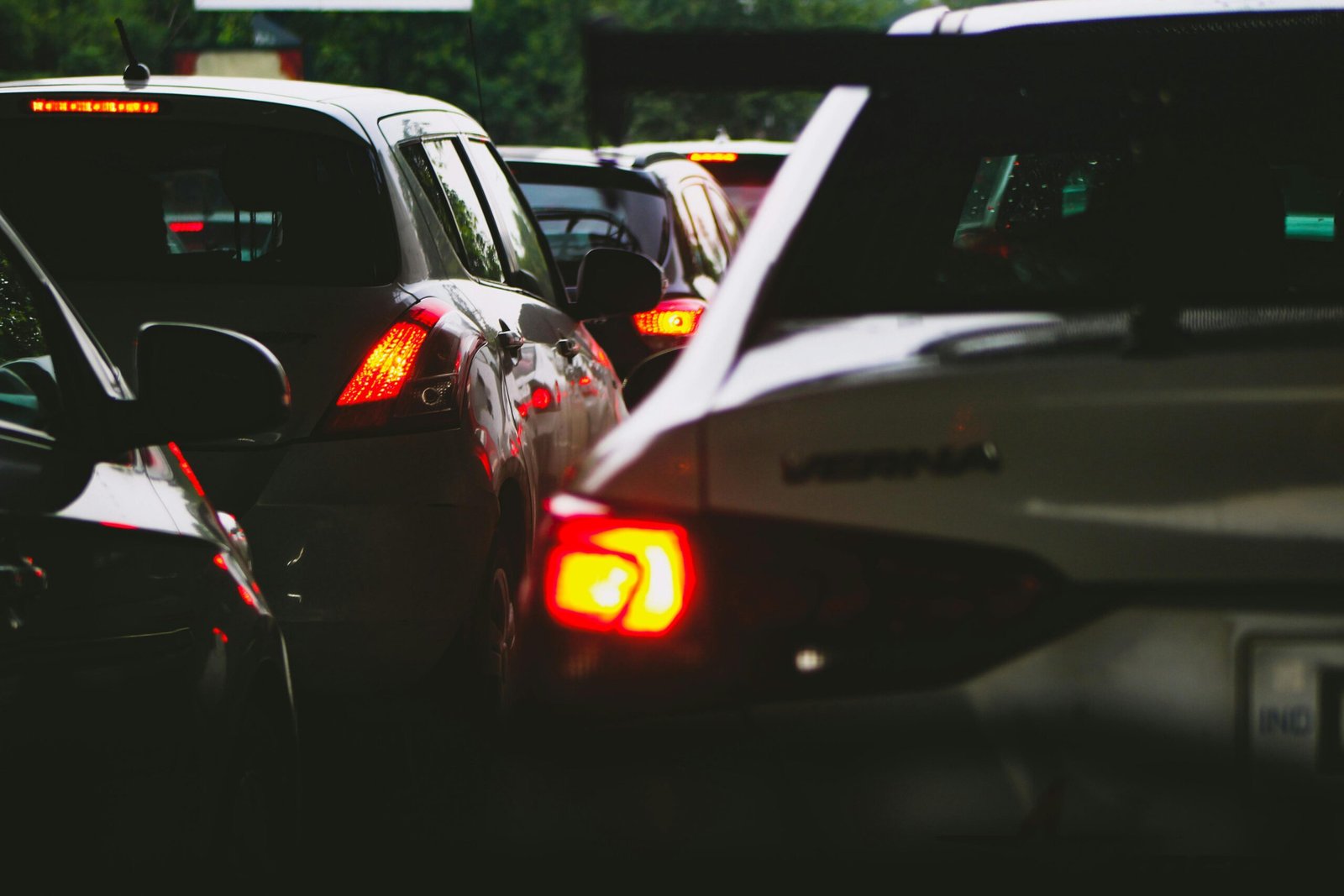
How Traffic is Making Us Ill, Not Just Late, and What to Do About It
We sigh and fret. Look at our watches. Complain and swear. Traffic is an urban problem that gets so many of us feeling exasperated every day. After all, it wastes time, that precious resource we need to distribute among our life’s priorities.
However, it turns out that traffic does much more damage than just making us late to appointments. Recent studies have linked traffic to several physical and mental health problems that are only likely to worsen with time.
Naturally, your risk of these issues is higher if you live in a congested area, with blaring horns and smoky vehicles part of your regular life. Let us understand what these issues are, and if, short of moving out, there are ways to tackle them.
Noise and Heart Health
You must have noticed how your body reacts to sudden or loud noises. The heart seems to race faster, and your body is on high alert. When this response gets repeated over and over, it does not bode well for the body.
Recently, the BBC reported that constant noise can increase one’s risk of heart attacks and hypertension. Some experts recommend staying within a maximum of 53 decibels for optimal cardiovascular health.
Note that a motorbike can easily produce 100 decibels. Sirens can be 120. Imagine what constant exposure to loud traffic noise may be doing to our systems. People living near busy roads and traffic intersections are particularly susceptible.
From a regulatory perspective, some countries are cracking down on honking to reduce traffic noise. Making urban spaces quieter and calmer warrants a concerted effort from the community as a whole.
- Wear noise-reducing earmuffs in busy places. (Children’s soft play centers can also be incredibly noisy!)
- Keep car windows shut on busy roads.
- Use soundproofing at home if you live in a high-traffic area.
Congestion and Accident Risk
Unsurprisingly, a highly congested road is also at an elevated risk of accidents. Traffic can make it harder to navigate smoothly, impeding safe driving and putting pedestrians in danger. The WHO observes that road accidents cause non-fatal injuries in over 20 million people every year, leaving many with a disability.
Let us take an example. ConsumerAffairs reports that Atlanta is one of the top five cities with poor traffic conditions in the US. The average weekday congestion is almost 5 hours. Incidentally, the city also has a considerable rate of fatal car crashes.
Similarly, a 2023 report by the Arkansas Department of Transportation found that over 500 serious injury accidents in recent years were related to congestion-related rear-end crashes. Many of them were in Rogers, one of the state’s most well-established cities. In fact, a Rogers car accident lawyer who supports accident victims will consider congestion when assessing the case.
According to the Keith Law Group, legal professionals in personal injury cases can benefit from personal attention to clients. It will help identify the various factors that led to an accident, including road conditions and driving behavior. This analysis also comes in handy when applying to your insurance company for the commensurate claim.
If avoiding congested roads is not feasible for you, consider changing your commute times (earlier or later). Some people go all out and move closer to their work or kids’ schools to avoid getting stuck in the dreariness of daily congestion.
Air Pollution, With Its Newly Uncovered Ugliness
Another grave consequence of traffic manifests as air pollution. While we have long been aware of the risks associated with breathing in filthy air, new studies have upped the stakes.
Did you know that inhaling polluted air could be linked to infertility?
The Conversation reports that this line of research originates from the very real possibility of toxic chemicals entering the blood and travelling to the reproductive tract. Over time, they can affect the hormonal balance or cause damage to the eggs. Both these situations can adversely affect fertility.
It seems strongly possible that traffic also affects our mental health beyond the frustration of logistical delays. The American Psychiatric Association links air pollution with psychological distress and an increased risk of dementia. Worse, this impact may be worse for the mental health of children.
It follows that your risk of mental health issues will worsen with exposure to traffic. It does not paint a positive picture for homes in crowded urban places, whether or not they have air-purifying plants.
- Monitor mental and physical health closely by scheduling preventive checkups.
- An air purifier can be a good idea for your home if you reside in a high-traffic neighborhood.
- Push for regulatory changes, such as banning left turns at intersections. This driving behavior single-handedly contributes to congestion every day.
- Reconsider your diet and lifestyle to build resilience for dealing with urban ills. Speaking with your doctor is a good starting point, as they can recommend personalized plans for fitness and nutrition.
Traffic is a pain, yet we endure it as a side effect of urbanization. Recognizing the serious ills of constant, unending traffic and acknowledging its health impact has now become essential.
In the wake of a pandemic that claimed thousands of lives, we can hardly afford to be complacent about a legitimate problem that is fast assuming epic proportions.