





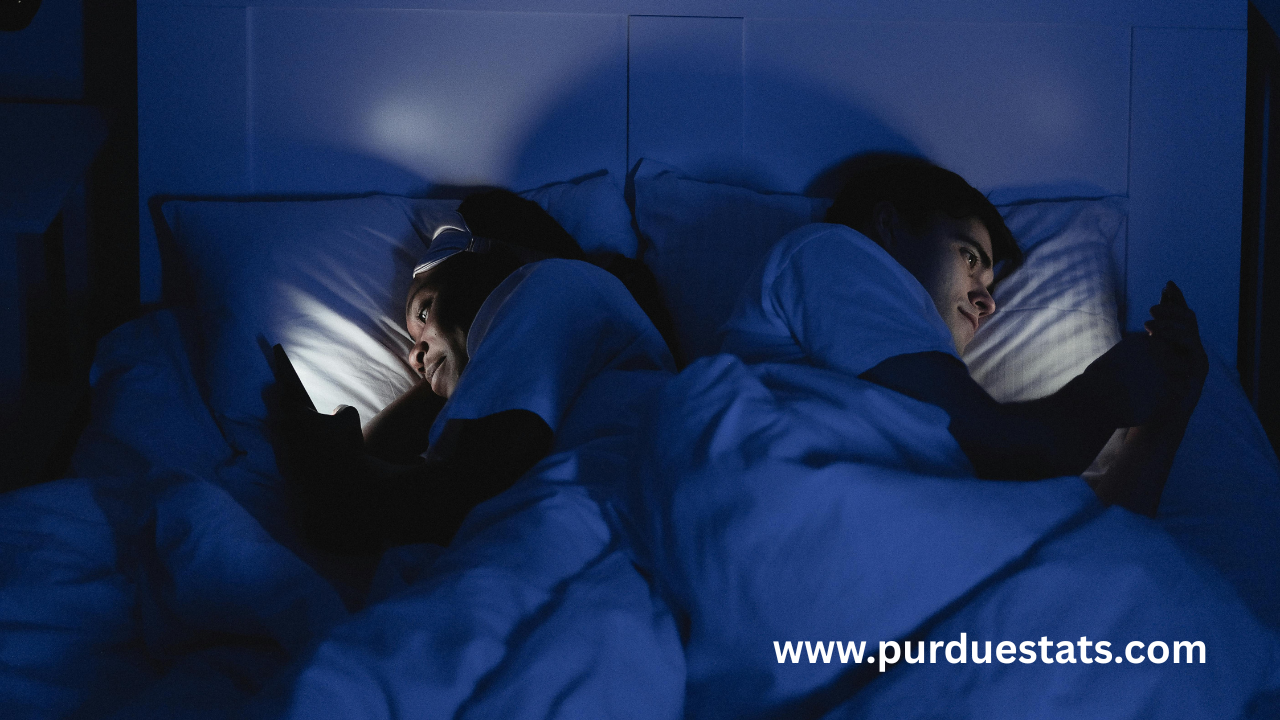
How Digital Habits Are Affecting Focus, Sleep, and Mental Health
Digital technology has become deeply woven into everyday life, shaping how we work, relax, and connect with others. While constant connectivity offers convenience and entertainment, it is also quietly influencing focus, sleep patterns, and mental well-being. Many people now reach for their phones almost instinctively, often before fully starting their day or winding down at night.
New research shows how deeply smartphones are woven into daily routines, with nearly three-quarters of adults checking their phones immediately after waking. More than half also admit that device use keeps them up later than they intended. These habits raise important questions about balance and long-term health.
The Rise of Always-On Digital Consumption
The rise of always-on digital consumption has changed how people spend their time, often without clear boundaries between online and offline life. Reports from The New York Times show that about half of teenagers say they are online almost constantly. This reflects how deeply digital platforms are woven into daily routines. Among adults, nearly two-thirds believe social media has had a negative impact on the country.
Much of this behavior is driven by algorithm-based platforms designed to hold attention for long periods. These systems often prioritize content that is difficult to ignore rather than content users actively seek.
As a result, extended screen engagement can subtly shape habits and reduce downtime. It can also contribute to mental fatigue, making it harder for individuals to disconnect and recharge.
Algorithm-Driven Engagement and Mental Health Concerns
Algorithm-driven platforms are designed to keep users engaged for as long as possible, often without them realizing how much time has passed. Social media feeds continuously analyze viewing habits, likes, and interactions to deliver content that is difficult to scroll away from.
Using TikTok as an example, TruLaw explains that its ‘For You Page’ adapts rapidly to user behavior. It encourages extended use that can interfere with sleep, concentration, and offline relationships. Appearance-focused trends and filters further intensify these effects. Nearly 40 percent of teens report that TikTok content contributes to appearance anxiety and dysmorphic thoughts.
As a result, many individuals are now filing the TikTok lawsuit for mental health concerns linked to prolonged exposure on the platform. These cases highlight growing worries about the impact of algorithm-driven content on emotional well-being and self-image.
Sleep Disruption Caused by Screen-Based Habits
Sleep disruption has become a common consequence of screen-based habits, especially with late-night device use. Light emitted from screens can disrupt the body’s internal clock by slowing the production of melatonin, the hormone that supports sleep. Constant alerts, endless scrolling, and late-night streaming keep the mind stimulated instead of relaxed.
As a result, people often delay bedtime and get less restful sleep. Over time, irregular sleep habits can cause tiredness during the day, difficulty focusing, and noticeable changes in mood. Without clear boundaries around screen use before bedtime, restful sleep becomes harder to achieve, affecting both mental health and daily performance.
Declining Focus and Shortened Attention Spans
Constant exposure to digital screens is making it harder for many people to sustain focus for extended periods. Notifications, short-form content, and frequent app switching train the brain to expect quick stimulation, reducing patience for deeper tasks.
Research published by the National Institutes of Health examined screen-based sedentary behavior in more than 462,000 participants. It found that spending more than four hours per day on screens was linked to a higher risk of cognitive decline. This included increased risks of Alzheimer’s disease and vascular dementia. The study also noted measurable changes in brain regions associated with memory and attention.
Over time, excessive screen use can weaken concentration and slow information processing. It can also make it more difficult to stay mentally engaged, affecting daily productivity and long-term cognitive health.
Emotional Well-Being and Social Comparison Online
Social media platforms often encourage constant comparison by highlighting curated moments, achievements, and appearances. Over time, repeated exposure to idealized images can distort self-perception and create unrealistic expectations. Many users begin measuring their own lives against filtered versions of others, which can lead to feelings of inadequacy, anxiety, or low self-worth.
The pressure to seek validation through likes, comments, and shares may also affect emotional stability, especially among younger users. Instead of fostering connection, excessive comparison can increase loneliness and dissatisfaction.
Stepping back from comparison-driven platforms and limiting screen time can help protect emotional well-being. Focusing more on offline relationships also supports a healthier relationship with digital spaces.
Building Healthier Digital Habits for Long-Term Wellness
Developing healthier digital habits plays an important role in protecting focus, sleep, and mental health over time. Small changes such as setting screen time limits, avoiding devices before bedtime, and scheduling regular offline breaks can make a noticeable difference.
A survey from the American Academy of Sleep Medicine found that 91 percent of people lose sleep by staying up late to binge-watch shows. Another 75 percent reported losing sleep because they stayed awake browsing or shopping online. These habits can quietly disrupt rest and recovery.
Creating device-free routines in the evening and prioritizing sleep help support long-term wellness. Being mindful of screen use also encourages a more balanced and healthier relationship with technology.
Frequently Asked Questions
How long does it take to reset focus after reducing screen time?
Most people notice improved focus within one to two weeks after reducing screen time. Consistent habits like limiting notifications, taking regular breaks, and prioritizing sleep can speed up mental recovery and help attention levels stabilize over time.
Can digital habits affect children and teens differently from adults?
Yes, children and teens are often more affected because their brains are still developing. Excessive screen use can affect attention, sleep, and emotional regulation more strongly. Adults may still experience strain, but they typically have better coping skills and greater self-control.
When should digital stress be addressed with professional help?
Digital stress should be addressed with professional help when it begins to interfere with sleep, work, relationships, or emotional stability. Ongoing anxiety, low mood, irritability, or loss of control over screen use are signs that support from a mental health professional may be helpful.
Finding Balance in a Digitally Connected World
Digital habits have a powerful influence on focus, sleep, and mental health, often in ways that go unnoticed. By becoming more aware of screen use and setting healthier boundaries, individuals can protect their well-being over time.
Small, consistent changes help restore balance, improve daily functioning, and support long-term mental and emotional health in an always-connected world.