





Single Instance Store vs. Multiple Instances: Which is Right for You?
In the ever-evolving landscape of business technology, choosing the right operational model can be a game changer. For many companies, deciding between a single instance store and multiple instances is crucial. Each approach has its own unique set of advantages and challenges that can significantly impact efficiency, scalability, and even customer experience. Whether you’re a startup laying down your foundations or an established enterprise looking to optimize performance, understanding these two models is essential. Let’s dive into what defines each option and help you find the perfect fit for your needs!
What is Single Instance Store?
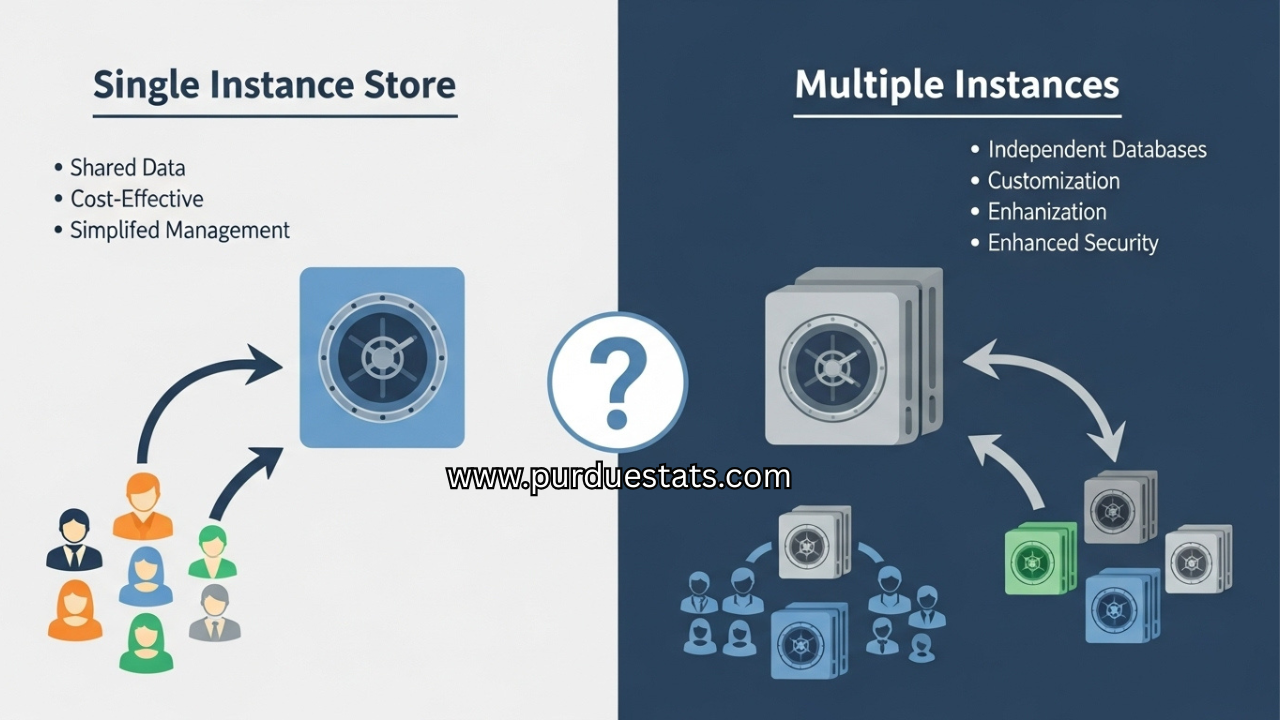
A single instance store refers to a centralized database or system where all business operations are managed from one location. This model allows multiple users and departments to access the same set of data without duplication.
In this setup, companies benefit from consistency in information. Every update made reflects across the board, ensuring everyone is on the same page.
Moreover, a single instance often simplifies management and maintenance tasks. With everything contained within one framework, IT teams can streamline updates and troubleshooting processes.
This approach is particularly advantageous for businesses seeking simplicity in their architecture while focusing on collaboration among teams. It also reduces redundancy, minimizing storage costs and potential errors that arise from managing multiple data sources.
What are Multiple Instances?
Multiple instances refer to the deployment of several separate environments or copies of an application, each running independently. This setup allows businesses to tailor their resources and functionality according to specific needs.
For instance, a company might operate different instances for various departments like sales, marketing, and customer support. Each department can customize its platform features without affecting others.
This approach provides flexibility but requires careful management. Maintaining multiple instances means more overhead in terms of updates and security protocols.
Businesses often choose this model for scalability. As they grow or diversify services, additional instances can be created with ease.
However, the complexity increases as well. Coordination among teams becomes crucial to ensure seamless operations across all platforms.
Pros and Cons of Single Instance Store
A single instance store offers a centralized approach to managing inventory and sales. This can lead to streamlined operations, making it easier for teams to access data in one location.
Cost-effectiveness is another advantage. With fewer servers and systems needed, businesses can save on maintenance and operational costs. It also simplifies training for staff since everyone uses the same platform.
However, there are downsides. A single point of failure can be risky; if something goes wrong, it impacts the entire operation. Additionally, scalability may pose challenges as demand grows or fluctuates seasonally.
Customization options might be limited too. Businesses with unique needs may find that a single instance can’t accommodate all their specific requirements effectively.
Pros and Cons of Multiple Instances
Multiple instances offer flexibility to businesses, enabling them to cater to diverse needs across different departments or regions. This approach can enhance performance by distributing workloads effectively.
However, managing multiple instances can complicate operations. Each instance may require separate maintenance and updates, potentially leading to higher costs.
Scalability is another advantage of this model. As your business grows, adding new instances allows for quick expansion without disrupting existing systems.
On the flip side, data consistency might suffer when using various instances. Synchronizing information across platforms becomes crucial yet challenging.
Moreover, training staff on multiple systems demands time and resources. Employees may face a learning curve if they switch between different interfaces frequently.
The decision ultimately hinges on balancing operational complexity against the benefits of tailored solutions that meet specific organizational needs.
Factors to Consider When Choosing Between the Two
When deciding between a single instance store and multiple instances, consider your business size. Smaller operations may benefit from a single instance due to simplicity and lower costs.
Next, think about scalability. If you anticipate rapid growth or fluctuating demands, multiple instances might offer the flexibility you need. They can adapt more easily as your requirements change.
Also, evaluate your technical resources. Managing several instances requires more expertise and maintenance than handling one. Make sure your team is equipped for the task.
User experience matters too. A single instance can provide a cohesive experience across all platforms while multiple instances allow for tailored solutions depending on customer segments. Choose what aligns best with your goals and capabilities.
Real-Life Examples of Companies Using Each Method
Starbucks is a prime example of a company leveraging a single instance store. They maintain one centralized system that helps manage customer orders across all locations. This allows for streamlined operations and brand consistency, enhancing the overall customer experience.
On the other hand, Amazon employs multiple instances to cater to its vast marketplace. Each region has its own set of servers which optimizes performance based on local demand. This structure supports rapid scaling and flexibility in handling diverse product lines.
Another notable case is Netflix, utilizing multiple instances to deliver content globally while ensuring minimal downtime. Their approach allows them to manage user data efficiently while tailoring services based on regional preferences.
Alternatively, companies like Shopify opt for single-instance stores for smaller businesses seeking simplicity and ease of use in e-commerce management. It provides an efficient way for startups to get up and running without complex setups.
Conclusion: Finding the Right Fit for Your Business
Choosing between a single instance store and multiple instances is crucial for any business. Your decision should align with your specific needs, goals, and resources.
If you prioritize simplicity, ease of management, and cost-effectiveness, a single instance store might be the way to go. It’s ideal for smaller businesses or those just starting out who may not have extensive IT support.
On the other hand, if your business is larger or aims to scale quickly in different markets or regions, multiple instances could offer more flexibility and better localized performance. This approach allows for tailored customer experiences but requires careful planning and management.
Consider factors such as budget constraints, scalability requirements, team capabilities, and how critical localization is to your operations. Different scenarios will lead you down different paths; what works wonders for one company may fall flat for another.
It’s about understanding which setup aligns best with your operational needs while supporting future growth ambitions effectively. Take time to assess your unique situation before making this important decision—it can truly shape the trajectory of your business moving forward.